%201.svg)
AI VOICE FOR CUSTOMER SERVICE
The call gets answered.
The problem gets solved.
SquawkVoice picks up on the first ring. Pulls live data from your CRM and order systems. Resolves the question. Updates the record. The customer was on the line for 90 seconds. Nobody on your team touched the call.

.png)

SOC 2 Compliant
HIPAA available
GDPR Ready
Sub-second response
100% answer rate
Already running in production.
60 to 75%
routine calls resolved without a human
80%+
first-call resolution when the AI takes the call
Sub-second
average response time,
day or night.
day or night.
40 to 60%
shorter handle time on calls that reach your team
Same day
from kickoff to first production call
Based on customer deployments across mid-market and enterprise operations, including major US retailers running SquawkVoice during peak holiday traffic.
The phone is still the channel customers reach for.
And the one most operations break on.
The IVR isn't filtering, it's frustrating
Customers stab zero to skip the menu tree. The cost-saving layer became the channel-killing layer.
By the time your agent says hello, the customer's already angry
Hold time decides the call. Not your agent. Past 90 seconds, you've already lost the conversation.
Peaks break the staffing model
Volume triples. Queues overflow. Either you pay for the peak. Or your customers pay for the peak.
The questions filling your queue.Resolved on the call
Order status & tracking
Pulls the order from your order system. Shares the status, tracking link, and ETA in the voice. Updates the address if it changed.

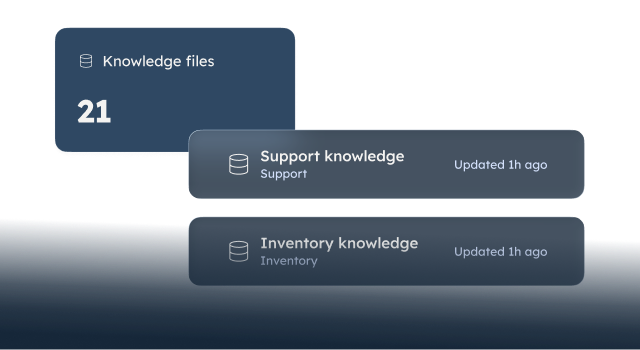
Answers from your knowledge base
Reads your docs, policies, and FAQs. Answers product questions, hours, return rules, service availability. The answers stay current because the source does.
Appointment scheduling
Books, reschedules, and cancels on your calendar. Sends the confirmation. Handles availability across teams or locations.
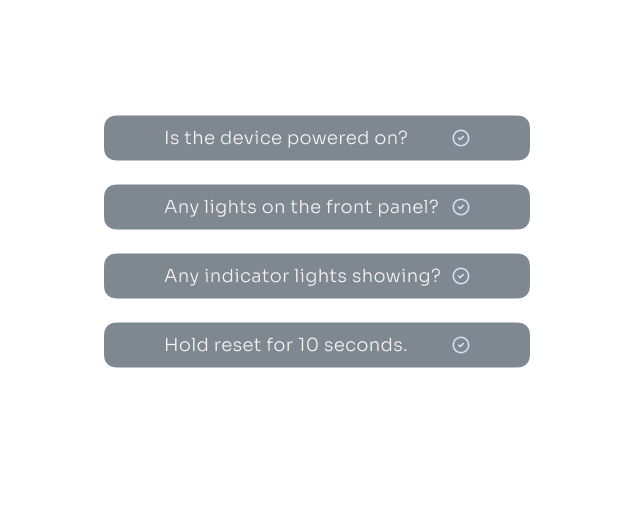
Step-by-step help
Walks the customer through the fix. One question at a time. Hands off when it gets stuck.
40+ languages
Auto-detects the caller's language. Switches mid-call if needed. Same agent, same brand, every market.
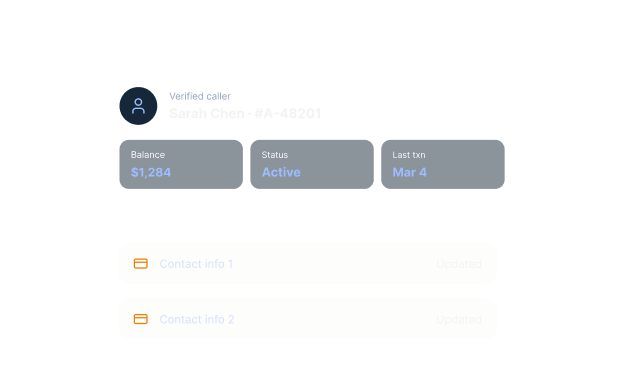
Account lookups and updates
Verifies the caller. Pulls their account from your CRM. Reads back the balance, status, or last transaction. Updates contact info if needed.
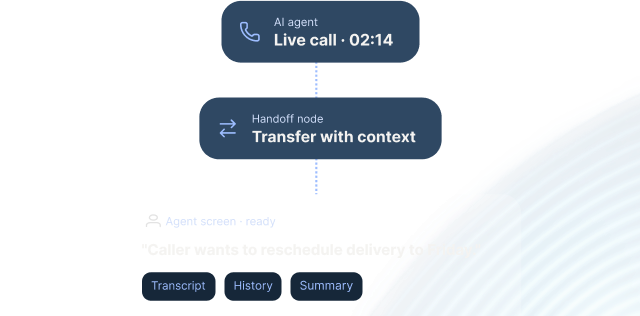
Handoffs that don't make customers start over
When the AI hands off, your agent already has the transcript, the customer history, and a one-line summary on their screen. The customer doesn't repeat themselves.
Reminders, follow-ups, win backs.All of it, on schedule.
Same agent. Same brand. Same configuration. Working both directions.
Appointment reminders
Confirms appointments. Reschedules the ones that don't work. Updates your calendar. Fewer no-shows. No reminder team needed.
Payment reminders
Calls customers on past-due balances. Takes payments. Sets up payment plans. Escalates the ones that need a human.
Sales follow-ups
Calls inbound leads while they're still warm. Qualifies them. Books meetings on the rep's calendar. Logs it in your CRM.
CSAT and NPS surveys
Post-call CSAT. Service follow-ups. Captures structured feedback in conversation, not as a form nobody fills out.
Win-backs
Calls churned or dormant customers. Offers what your retention team scripted. Books conversations for the ones who want to talk.
Delivery and service confirmations
Confirms windows. Captures preferences. Reduces dispatch errors before they happen.
What makes the call feel like a real conversation.
Sub-second response
Median 600ms between caller and AI. No awkward pauses. The conversation moves at human pace.
Live data on every call
The AI doesn't pre-cache answers. It pulls from your CRM, OMS, and helpdesk while the call is happening.
Context across the full call
Remembers what was said three turns ago. Handles follow-ups, corrections, and topic switches without restarting.
Intent, not keywords
Understands what callers mean. "Change my appointment to next week" and "Move me from Thursday to Tuesday" route to the same flow.
Telephony stack
SIP-based. Side-cars onto your existing telephony. No rip and replace. Native to the major CCaaS platforms.
Escalation rules you set
Define when to hand off in plain language: topic, customer value, sentiment, urgency. AI follows them.
Structured dispositions
Every call ends with a structured outcome. Resolved, escalated, callback, abandoned. Feeds your existing WFM and reporting.
Built-in QA
Full recording and transcription. Sentiment scoring. Compliance flagging. Plug into your QA workflow or use the built-in one.
Sub-second response
Median 600ms between caller and AI. No awkward pauses. The conversation moves at human pace.
Live data on every call
The AI doesn't pre-cache answers. It pulls from your CRM, OMS, and helpdesk while the call is happening.
Context across the full call
Remembers what was said three turns ago. Handles follow-ups, corrections, and topic switches without restarting.
Intent, not keywords
Understands what callers mean. "Change my appointment to next week" and "Move me from Thursday to Tuesday" route to the same flow.
Telephony stack
SIP-based. Side-cars onto your existing telephony. No rip and replace. Native to the major CCaaS platforms.
Escalation rules you set
Define when to hand off in plain language: topic, customer value, sentiment, urgency. AI follows them.
Structured dispositions
Every call ends with a structured outcome. Resolved, escalated, callback, abandoned. Feeds your existing WFM and reporting.
Built-in QA
Full recording and transcription. Sentiment scoring. Compliance flagging. Plug into your QA workflow or use the built-in one.
Works with the stack you already run
Developer


Telephony / SIP


Order management

Calendar


CCaaS


Helpdesk


CRM


One agent. Every channels.
Same customer.
Voice gets exponentially better when SquawkVoice is also handling your chat, email, SMS, and WhatsApp.
The customer who chatted Tuesday and calls Thursday doesn't start over. The one who emailed Monday and calls Tuesday gets a follow-up that references the email. The agent who picks up an escalation sees every interaction across every channel, not just the call.
Same configuration. Same knowledge. Same identity. Different channels.
SquawkVoice Chat
Resolve web and in-app conversations the same way you resolve calls.
SquawkVoice Email
Triage, draft, and send replies grounded in live data.

SOC2 Compliant

HIPAA with BAA

GDPR with DPA

PCI-aware call handling

AES-256 encryption
Role-based access

Regional data residency

Data retention
Frequently Asked Questions
How fast is the AI response?
Does it replace our existing CCaaS?
Which CCaaS platforms does it integrate with?
What languages does it speak?
How does the AI handle calls that need a human?
Can it handle outbound calls too?
How long does deployment take?
How is this priced?
What happens if there's an outage?
Can we control how the AI sounds?
How do you handle PII in transcripts?
Hear it before you commit to it.
Press call. Talk to the AI. Then book the demo.